What is furnace short cycling?
Short cycling means the furnace keeps starting and stopping before it finishes a normal heating run. Most of the time the furnace is protecting itself from overheating, or a safety switch is not getting the signal it needs to keep the burners lit.
A normal heating cycle has a clear rhythm. The thermostat calls for heat, the inducer motor starts, the igniter glows, the burners light, and the blower pushes warm air through the ducts until the room reaches the set temperature. When a furnace short cycles, that rhythm breaks. You might hear the burners light, feel warm air for a couple of minutes, then hear everything shut down while the house is still cool.
It is easy to ignore because the furnace is still making some heat. The trouble is that every restart wears the igniter, inducer, blower and relays, and the house never feels evenly warm. In a long, damp Bellevue heating season, a furnace that cycles every few minutes can rack up a lot of extra starts in a single week.
How does a technician fix a short cycling furnace?
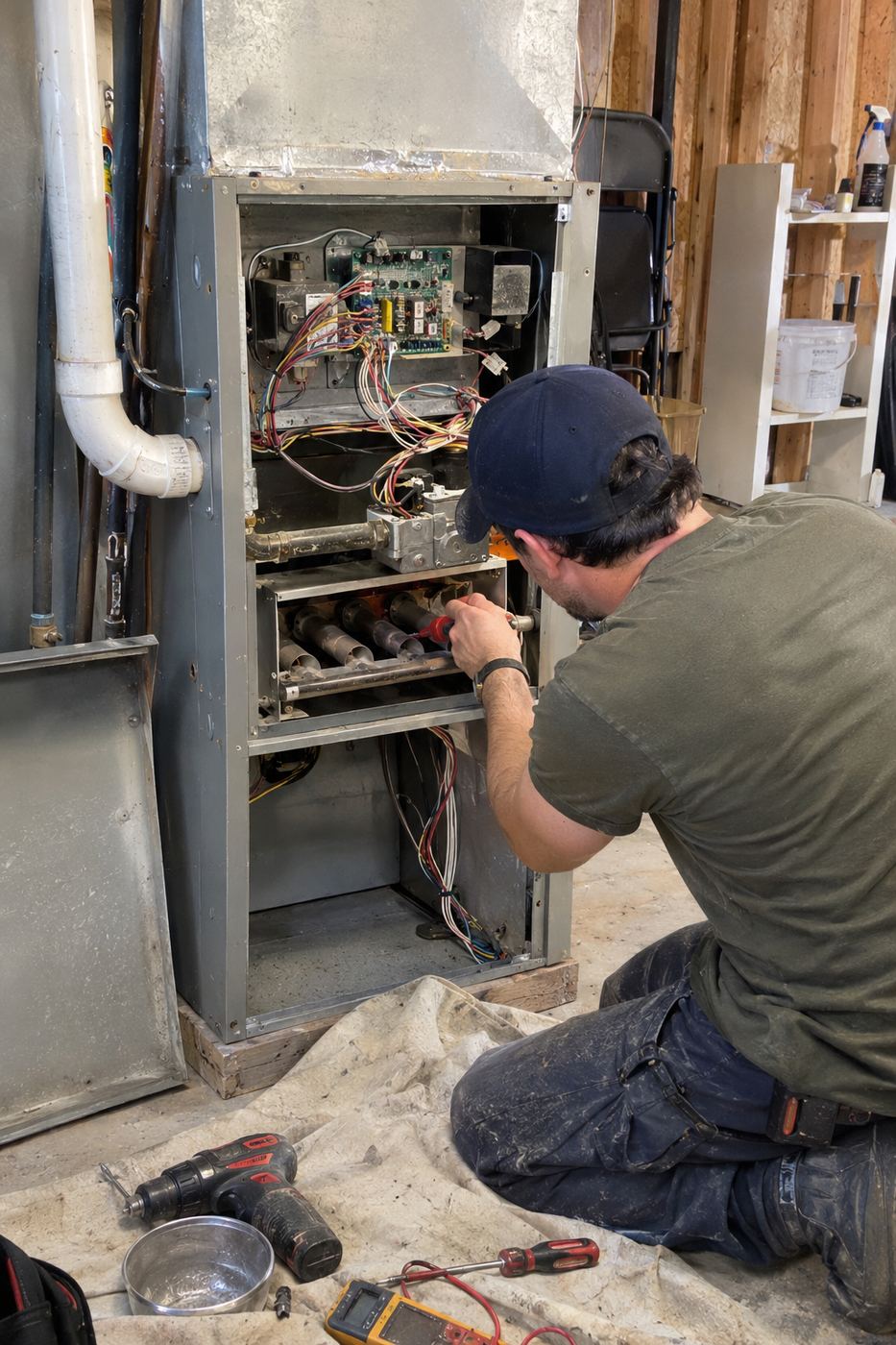
The first job is to find out which safety or control is ending the cycle early. A technician usually watches the furnace through a few full cycles with the panel off, reading the fault code on the control board and timing each stage. Whether the burners shut off at the same point every time tells them a lot about where to look.
If the furnace is overheating, the high limit switch is the part doing the shutting off. The tech measures the temperature rise across the furnace, checks static pressure in the ducts, and looks at the filter, the blower wheel and any closed or blocked registers. Fixing the airflow usually fixes the cycling. A limit switch that has gone weak and trips below its rated temperature gets tested and replaced if needed.
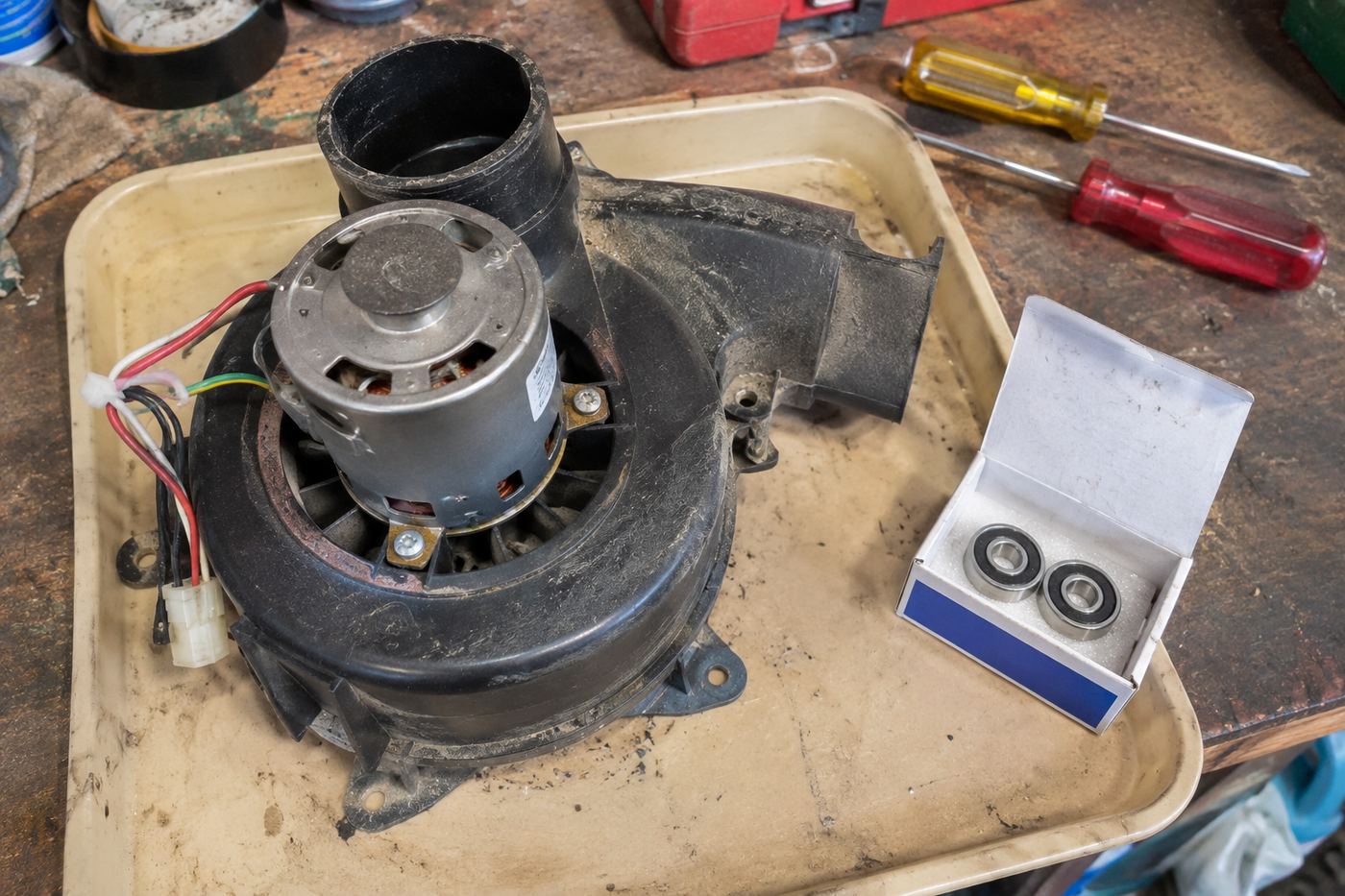
If the burners never get a chance to light, the inducer and pressure switch are the focus. The inducer motor has to pull enough draft through the heat exchanger and vent to close the pressure switch. The tech checks the inducer for worn bearings or a dragging wheel, tests the pressure switch with a manometer, and inspects the small rubber hose and port for cracks, water or blockage. On condensing furnaces, the condensate trap and the outside PVC pipes are part of this check too.
When the furnace itself checks out, attention turns to the thermostat and the system size. A thermostat mounted near a supply register or a heat source can satisfy itself in minutes. An oversized furnace heats a small space so fast that it hits the setting before a full cycle. Each of these needs a different fix, which is why testing comes before any parts get swapped.
What are the warning signs of short cycling?
These are the patterns homeowners notice most often before they call. More than one of them together makes short cycling very likely.
What causes a furnace to turn on and off?
Short cycling has a handful of common causes, and they fall into three groups: overheating, failed proving and control problems.
- Clogged filter, dirty blower wheel or closed registers that trap heat and trip the high limit switch
- A limit switch that has weakened with age and opens too early
- An inducer motor with worn bearings that cannot build enough draft
- A pressure switch with a cracked hose, water in the line or a stuck diaphragm
- A blocked vent pipe or a full condensate trap that stops the switch from proving
- A dirty flame sensor that drops the flame signal a few seconds after lighting
- A furnace sized too large for the space it heats
- A thermostat near a register, lamp, sunny window or exterior door
Overheating is the most frequent of the three. Undersized return ducts, a high-efficiency filter that is too restrictive for the system, or bedrooms with their vents shut all push heat back into the furnace. Proving failures are more common on high-efficiency furnaces, where a blocked drain or frosted PVC intake changes the pressure the switch reads. If water is part of the picture, the page on condensate leaks and drain problems explains that side in more detail.
Sizing and thermostat placement are less obvious. Larger hillside houses in Somerset sometimes have zoned systems where a small zone calls for heat from a big furnace, which can cause the same quick on and off pattern.
What can you check yourself before calling?
A few simple checks can rule out the easy causes. None of them need tools or opening the burner compartment.
- Pull the filter. Hold it up to a light. If you cannot see light through it, replace it and watch the next few cycles.
- Open every supply register. Move rugs and furniture off floor vents and make sure the return grilles are clear.
- Look at the thermostat location. Note whether a lamp, TV, register or sunny window sits close to it.
- Read the blink code. Count the flashes on the board light through the small window and match them to the chart on the door.
- Check outside pipes. On a high-efficiency furnace, clear leaves, snow or frost from the PVC intake and exhaust.
Pro tip: Time three cycles with your phone before you call. Write down how long the burners stay lit and how long the furnace rests. Those numbers help the technician decide whether to start with airflow or with the inducer and pressure switch.
If a new filter and open vents do not change the pattern, stop resetting the furnace. Repeated resets do not clear the cause and only add more starts to tired parts.
What happens during the repair visit?
Every provider works a little differently, but a short cycling visit generally follows these steps.
- Talk through the pattern. The tech asks how long the furnace runs, when it started and what you have already tried.
- Read the fault history. Many control boards store recent codes, which show whether the limit or pressure switch has been tripping.
- Watch a full cycle. With the door off, the tech times each stage from the inducer start to the blower shutting down.
- Measure temperature rise and static pressure. These two readings show whether the furnace is moving enough air for the heat it makes.
- Test the inducer and pressure switch. A manometer shows the draft the inducer builds and whether the switch closes at its rated point.
- Inspect venting and drains. On condensing furnaces, the trap, hoses and outside PVC pipes are cleared and checked for slope.
- Repair and prove the fix. After the part is replaced or the airflow is corrected, the furnace runs through several full cycles while the tech watches.
Ask the provider to explain what they found and show you the old part. A clear answer about why the furnace was cycling helps you spot the problem early if it ever comes back.
What affects the cost of short cycling repair?
The provider will quote once they know the cause. These factors usually make the biggest difference.
| Factor | Why it matters |
|---|---|
| Airflow fix or part swap | Clearing a filter or opening returns is a small job. Replacing an inducer motor or limit switch takes parts and more labor. |
| Inducer assembly design | Some inducers come as a sealed assembly with the housing, others allow just the motor to be replaced. |
| Furnace efficiency type | Condensing furnaces add a trap, drain hoses and PVC venting to the list of things to check. |
| Duct changes | If the return duct is too small, the long-term fix may involve duct work rather than a furnace part. |
| Thermostat relocation | Moving a thermostat means new wiring through a wall, which takes extra time. |
When is short cycling an emergency?
When is it an emergency?
If your carbon monoxide alarm sounds, you smell gas, or you see scorch marks or melted wires on the furnace, leave the house. Call 911 or Puget Sound Energy from outside and do not switch lights on or off. A furnace that stops heating entirely during a cold snap, with pipes in a garage or crawl space at risk, also needs a call right away.
Short cycling on its own is usually not an emergency. Still, a pressure switch that will not prove can mean exhaust is not leaving the house the way it should, so do not keep forcing restarts while you wait for a technician.
Short cycling questions from Bellevue homeowners
How long should a furnace run per cycle?
It depends on the furnace, the house and the weather, but a healthy furnace runs long enough to warm the house steadily. Runs of only two or three minutes followed by a quick restart, over and over, point to short cycling.
Can a dirty filter really make a furnace short cycle?
Yes. A packed filter cuts airflow, heat builds up in the heat exchanger, and the high limit switch shuts the burners off to protect the furnace. Once it cools, the furnace lights again and the loop repeats.
Is short cycling dangerous?
Short cycling itself is mostly a wear and comfort problem, but repeated overheating stresses the heat exchanger, and a pressure switch that will not close can point to a venting problem. Have it checked rather than living with it.
Why does my furnace hum, then click off without lighting?
That hum is often the inducer motor. If the pressure switch does not close, the control board will not light the burners and shuts the inducer down. Common causes are a blocked vent, a clogged condensate trap, a cracked hose or a weak inducer.
Could my furnace be too big for my house?
It is possible, especially after a remodel, new windows or added insulation. An oversized furnace heats the space too fast and shuts off before running a full cycle. A technician can check the size against the home and suggest options.
Will moving the thermostat fix short cycling?
Only if placement is the real cause. A thermostat near a supply register, a lamp, a sunny window or the kitchen reads warm too early and stops the heat. A technician should rule out the furnace first.
Related furnace services and areas
Short cycling often overlaps with other problems. A flame that lights and drops out within seconds is usually an igniter or flame sensor issue, and townhome closet installs in Crossroads are prone to the airflow limits that trip the high limit switch. For a wider look at local furnace repair, start at the home page.