Why do older Lake Hills furnaces need extra attention?
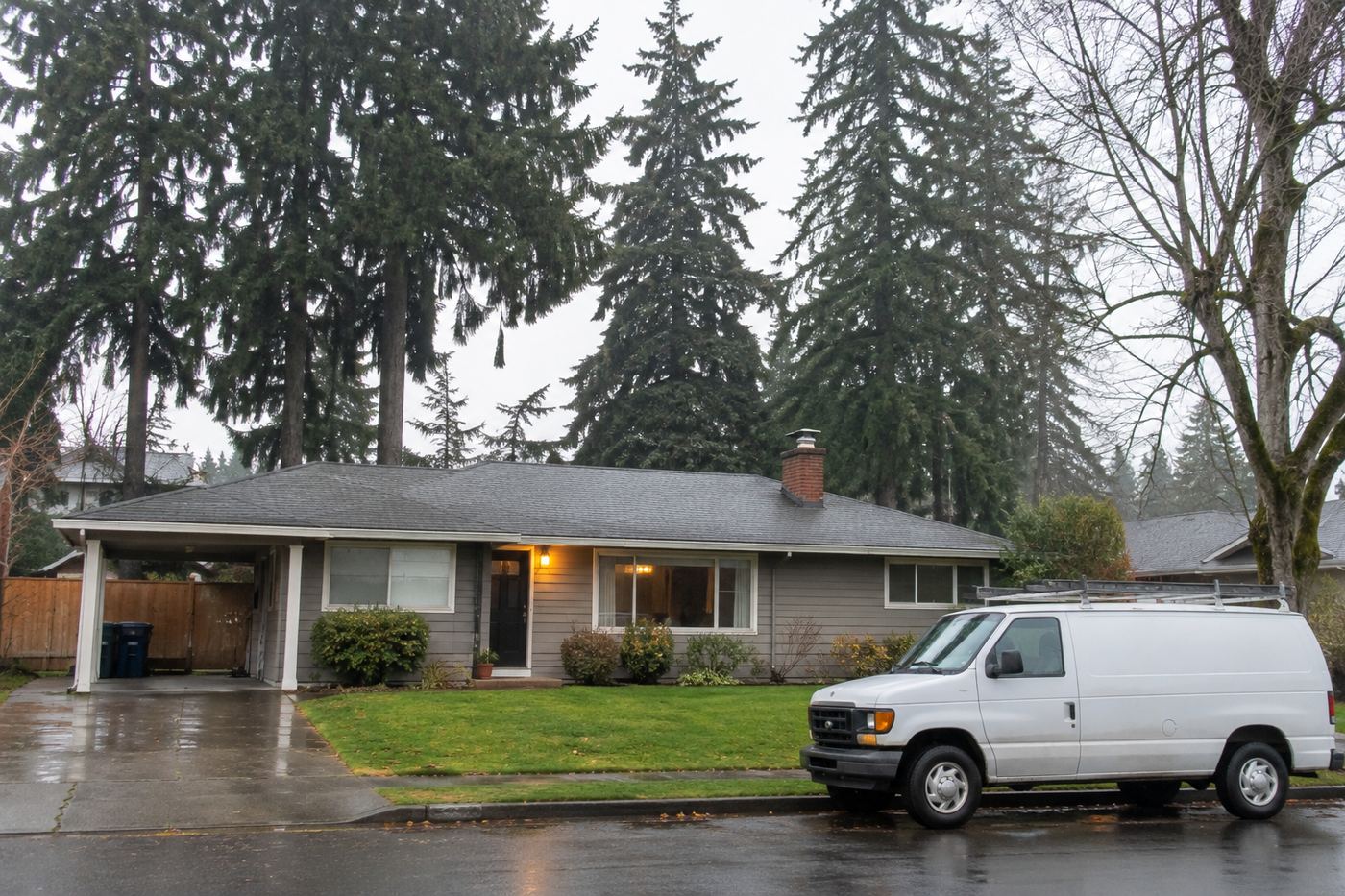
Lake Hills has a lot of mid-century homes, and an older furnace on older ductwork fails in different ways than a new one. The repair is often simple, but a careful technician also checks the heat exchanger and venting before calling the job done.
Many houses in Lake Hills were built in the middle of the last century. Some have had their furnace replaced once or twice since then, and some are still running equipment that has seen a great many winters. Either way, the ductwork, flue pipe and gas line around the furnace are often older than the furnace itself, and that history shapes what a technician looks for.
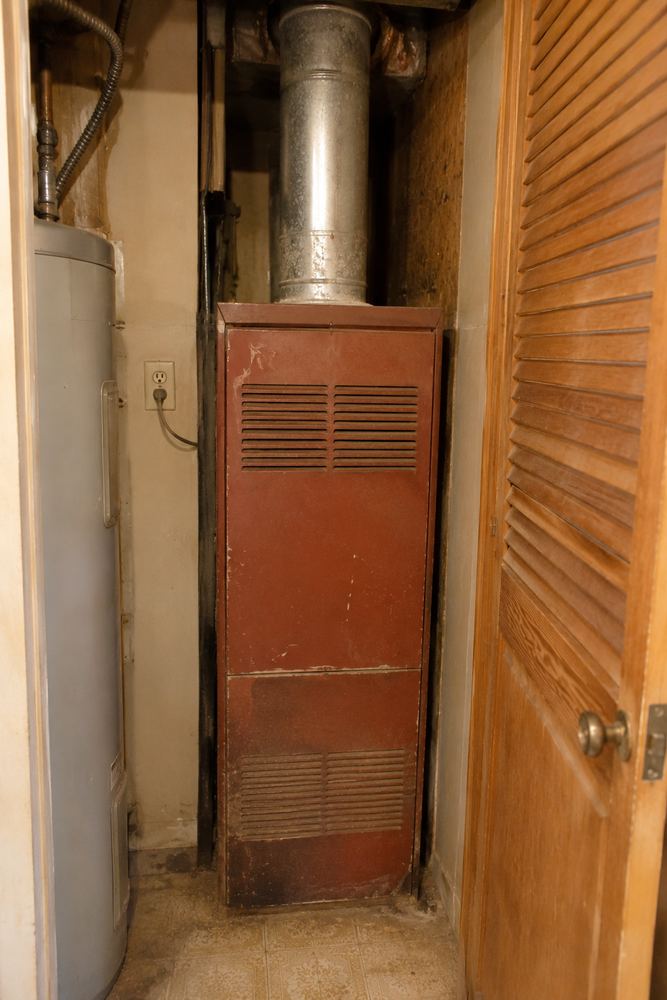
You will find these furnaces in a few typical spots: a hallway closet in a single-story rambler, a corner of the garage, or down in a crawl space with ducts running under the floor. Older standard-efficiency gas furnaces vent through a metal flue into a chimney or a vent stack, often shared with the water heater. That shared venting has to draft properly every time the burners light.
Bellevue winters are not harsh, but they are long and damp, so these furnaces run for most of the year from fall into spring. Long run times are tough on the metal parts. Every cycle heats the heat exchanger and lets it cool again, and over many seasons that expansion and contraction can open small cracks. Moisture in crawl spaces and garages adds rust to the mix.
None of this means an older furnace is unsafe by default. It means the visit should include more than swapping the part that failed. If you are comparing options, start with our overview of Bellevue furnace technicians and the common faults they handle.
What furnace repairs do Lake Hills homes call about?
Here is the short list for older homes, starting with the one that matters most for safety.
| Service | Why it comes up in Lake Hills |
|---|---|
| Gas furnace repair | Older gas valves, burners and metal venting need careful testing |
| Tune-up and safety check | Heat exchanger inspection and a CO reading on a furnace with many winters behind it |
| No-heat diagnosis | Older controls and thermocouples or pilot systems fail in their own ways |
| Blower motor repair | Worn bearings and belt-drive blowers still turn up in older units |
Gas valves, burners and venting
On an older gas furnace, the burners, gas valve and draft path all age together. Rusty burners can light unevenly, a tired gas valve may stick, and a flue with loose joints can leak exhaust. Our page on gas furnace repair walks through how a technician checks gas pressure, flame color and draft before the furnace goes back into service.
A safety-focused tune-up
For a furnace that has run for many seasons, the yearly visit is less about cleaning and more about inspection. A furnace tune-up and safety check should include a look at the heat exchanger, a carbon monoxide test near the flue and supply vents, and a check that the flue drafts properly when the water heater runs at the same time.
When the heat just stops
Older furnaces may still use a standing pilot and thermocouple, or an early electronic ignition board that is hard to find parts for. When there is no heat at all, the cause can be a pilot that will not stay lit, a failed limit switch or a worn control. Read more about furnace not heating repair and the order a technician tests things.
Noisy or weak blowers
Some older furnaces still have belt-driven blowers with oiling ports, while others have direct-drive motors that have simply worn out. A squeal, rumble or weak airflow points here. Our blower motor repair page explains what a technician tests, and it is worth acting before the motor seizes.
What should you check on an older furnace before winter?
- Look at the metal flue pipe for rust, gaps or a downward sag
- Watch the burner flame through the sight glass: steady blue is normal, lazy yellow is not
- Check for soot or scorch marks around the furnace cabinet
- Change the filter and note the date on the frame
- Peek at the ducts you can see in the crawl space for loose or crushed sections
- Install or test carbon monoxide alarms on every level
Warning: If you smell gas, or the CO alarm sounds, leave the house right away. Call 911 or Puget Sound Energy from outside, and do not switch lights on or off on the way out.
Which nearby neighborhoods do we also serve?
Next door in Crossroads, you see more townhomes and condos, so the calls lean toward closet furnaces that overheat in tight spaces. A short drive south, Factoria has many garage and crawl space installs where moisture and corrosion on furnace parts are the main worry.
Wherever you are in Bellevue, the call works the same way. Tell us your ZIP code, the furnace type and roughly how old it is, and you are connected with a provider who serves your area.
Lake Hills furnace questions
What is a cracked heat exchanger, and why does it matter on an older furnace?
The heat exchanger is the metal chamber that keeps burner exhaust separate from the air you breathe. Years of heating and cooling can crack it, which can let combustion gases into the airflow. A technician inspects it with a light or a small camera and checks for carbon monoxide at the supply vents.
My furnace is old. Is it still worth repairing?
Often yes, if the heat exchanger is sound and the failed part is still available. A cracked heat exchanger, parts that are no longer made, or several big repairs close together are the usual reasons to talk about replacement instead. Ask the provider to explain both options.
How can I tell if my furnace venting has a problem?
Look for rust or white crusting on the metal flue, soot near the draft hood, a flue pipe that sags or has loose joints, or a stuffy smell when the furnace runs. Any of these is a reason to have the venting checked before the next cold spell.
Do old ducts affect how well a repaired furnace heats?
Yes. Leaky joints or crushed runs in a crawl space can waste warm air before it reaches the rooms. A repaired furnace on poor ductwork may still leave the far bedrooms cold, so ask the technician to look at the ducts they can reach.
Do I need a carbon monoxide alarm with a gas furnace?
Yes. Put one outside each sleeping area and on every level of the house, and press the test button monthly. With an older gas furnace and shared venting, it is the simplest safety step you can take.
Related furnace help
Older furnaces often need parts covered on these pages too.